

- Article
- Read in 8 minutes
Nad Sylvan – Monumentata – review
In the summer of 2025, singer Nad Sylvan released his fifth solo album Monumentata, which became his most personal to date.
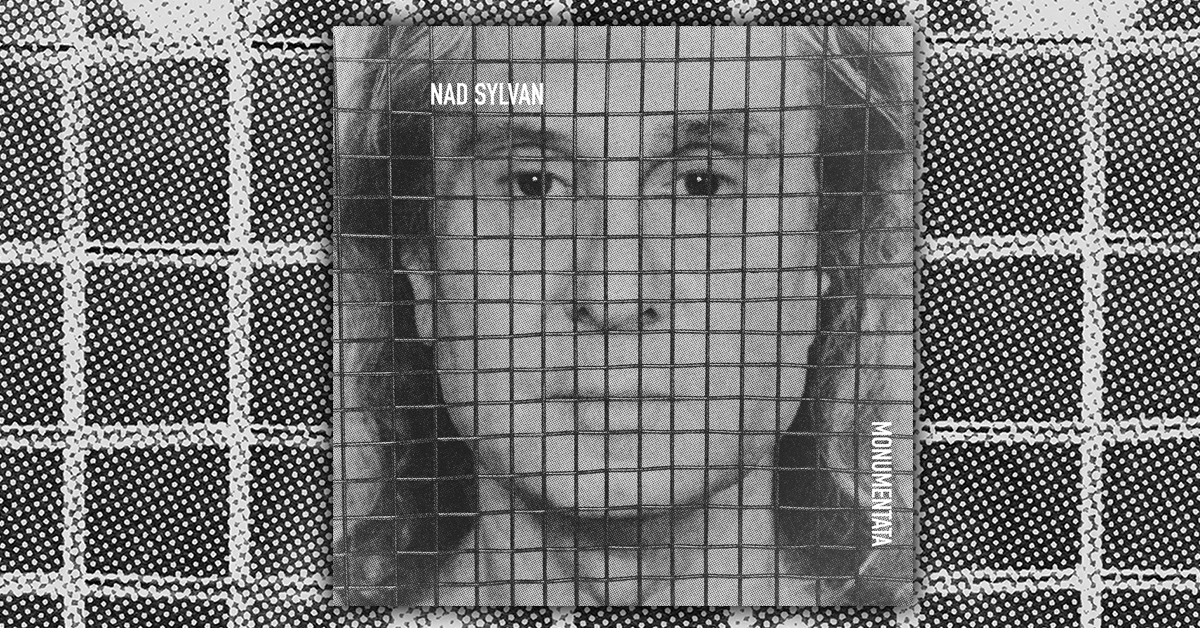
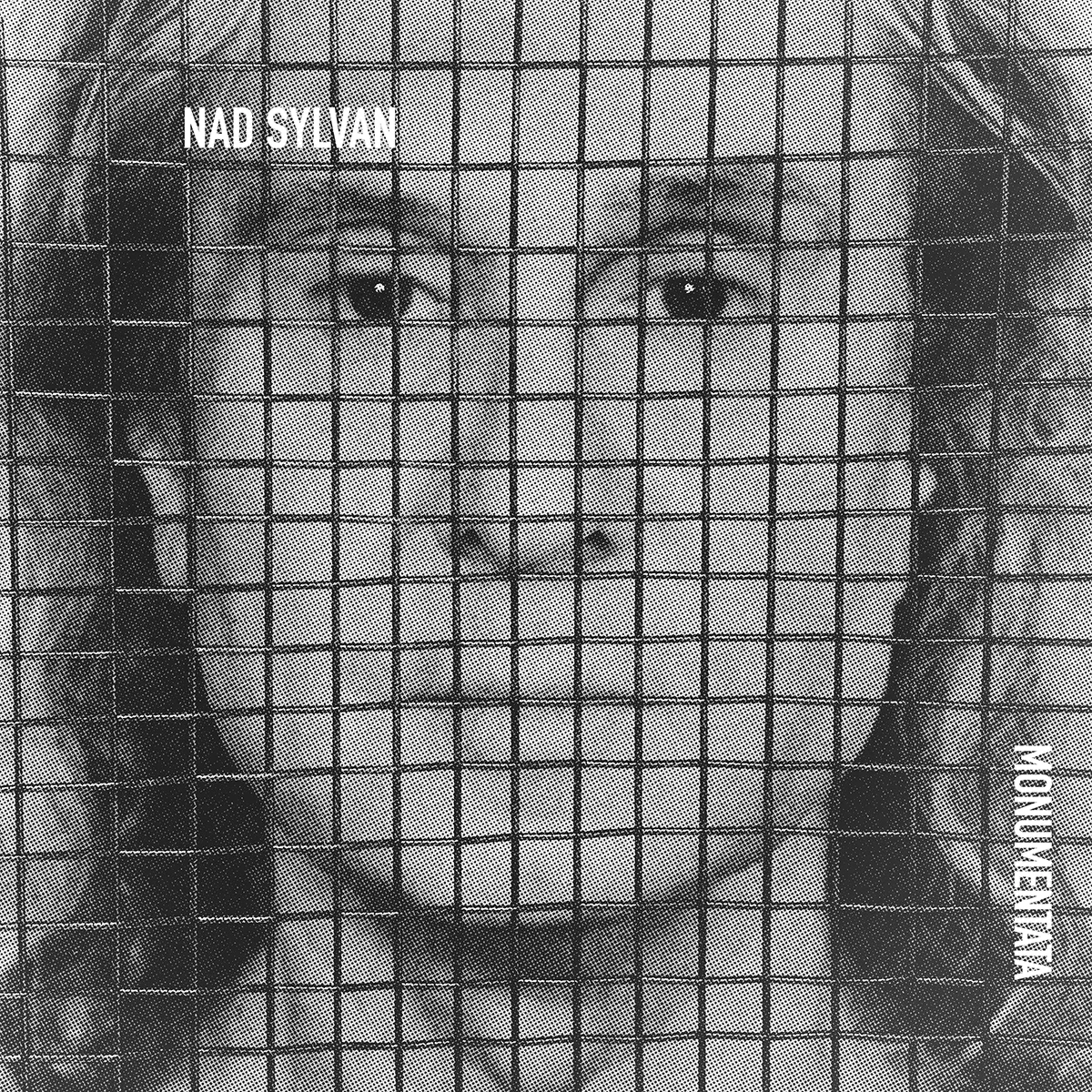
After a solo break of four years, Nad Sylvan now releases new music with his fifth album Monumentata – alongside ongoing touring activities with Steve Hackett. Recorded from January 2024 to January 2025 at Sylvanite Studios (or at least the part that Nad recorded himself), the album breaks new ground compared to Spiritus Mundi from 2021, which was more acoustic and folky overall. It once again focuses more on the trademarks that made the Vampirate trilogy so strong. Because even if Spiritus Mundi has definitely succeeded with its consistent, calm style, the three previous albums have shown that Nad can also do things very differently.
Monumentata again takes a heavier direction overall, but also leaves enough room for quieter, reduced sections. It expands the cosmos with some styles that Nad has not yet paid too much attention to. Logically, the album sounds multi-layered, but without seeming disjointed. The album has a lot of homogeneity. It does not mix too many styles.
Nad's most personal album
Artists often advertise new releases with superlatives. The statement that the new album is the most 'personal' to date is very popular. In this case, however, this characterisation can be considered accurate. While Nad's first three albums were entirely dedicated to the vampirate story and the fourth album focused on setting poetry to music, Nad's new album deals with very personal experiences. Of course, he has also incorporated certain parts of himself into Vampirate and the boundaries between what is the story and what is Nad himself are difficult to discern. In Monumentata, Nad sings as himself; he doesn't wear a mask, doesn't take on a role and doesn't pretend. He wants to show what concerns and touches him without putting an artificial figure in the foreground – well, with one exception.
Musicians involved
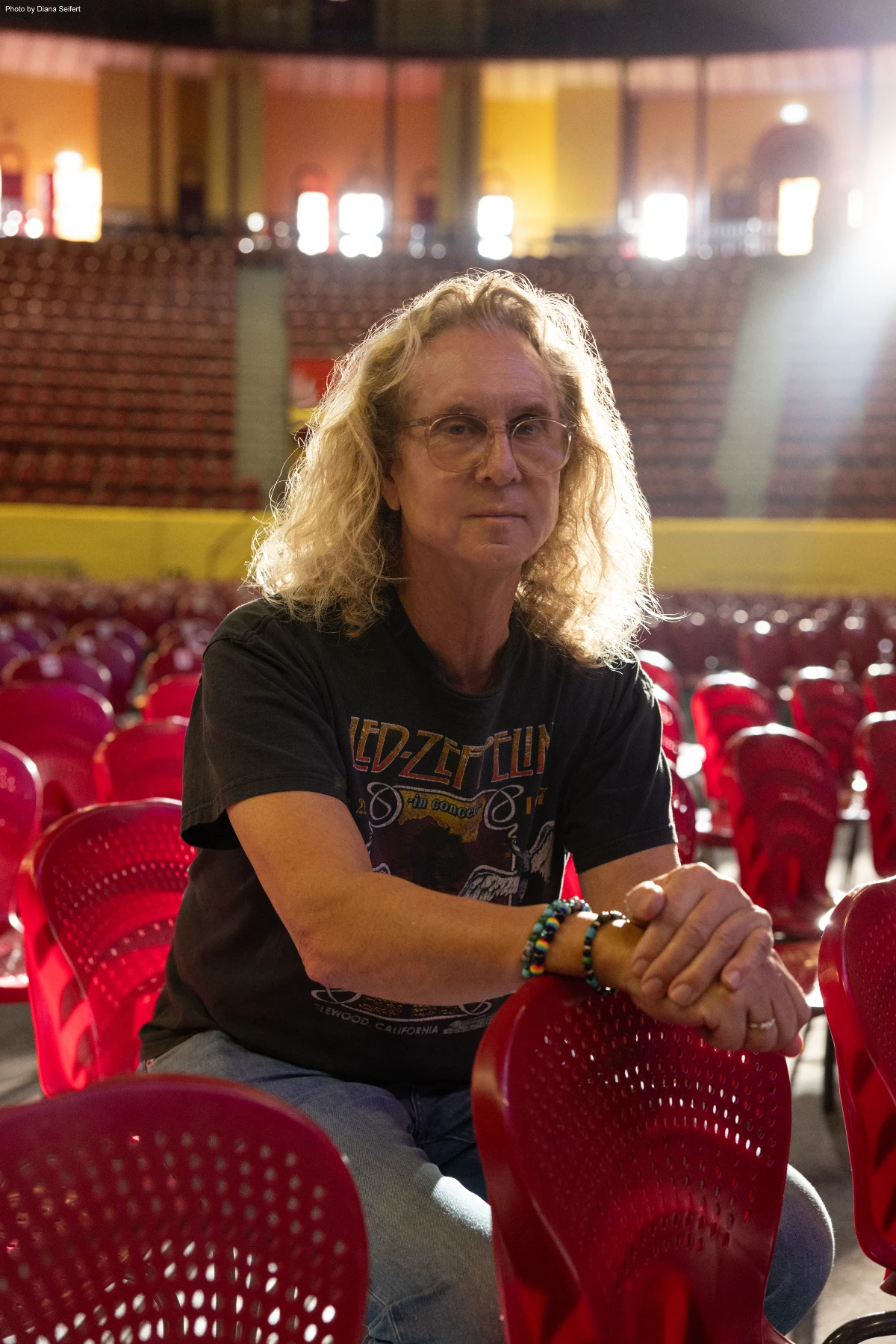
In terms of personnel, Nad is once again able to draw widely. This time, as on the previous album, Mirko de Maio is back on drums. New members are Felix Lehrmann and Marco Minnemann. Felix is probably known as Craig Blundell's replacement in Steve Hackett's live band and from the Flower Kings, but is also very busy in other ways. In Marco Minnemann, Nad has also gained a very well-known figure, particularly from the prog scene.
David Kollar and Randy McStine are two more high-calibre guitarists, completed by Neil Whitford and Lalle Larsson on keyboards – whereby, as is usual with Nad, most of the keyboard parts are contributed by himself. The bass players are the old acquaintances Nick Beggs, Tony Levin and Jonas Reingold, who also all appear on Nad's previous albums. Jade Ell and Sheona Urquhart Smangs also sing on a track again and Joe Denizon makes a guest appearance on the violin.
The title of the album Monumentata is an artificial word and is a merge of the words 'monumental' and "tata", the Hungarian word for 'father'. This may seem somewhat abstract at first, but the meaning of the title unfolds over the course of the album – not least because of the title track, which comes at the very end.
Secret Lover (7:02)
The album opens with dissonant, swelling keyboards and an abruptly screeching Nad. A straight rhythm, guitars that are almost aggressive by Nad's standards and drums that set striking breaks plunge the dreamscape of Spiritus Mundi into nirvana – as if Nad wanted to make it clear right from the start that this album is going to be different. The degree of heaviness is similar to that of Quartermaster, the opener of The Bride Said No, only a little heavier overall. With Marco Minnemann and Randy McStine, there is practically a super band of his own at the start, while Nad himself gets everything out of his vocals without any difficulty.
After tempo changes in the chorus, Nad hands over the spotlight to David Kollar with an ingeniously pointed and dynamic guitar solo. Towards the end, Nad takes it up a few more notches before the track fades out somewhat unexpectedly. Certainly a variation, even if a 'proper' ending would certainly have worked just as well here. Secret Lover is a very open opener with 'explicit lyrics', as Nad often includes them, and is well placed at the beginning of the album.
That's Not Me (5:15)
The album's first single, that also got the treatment of a colourful music video that plays with effects, continues in a more moderate vein. That's Not Me gets off to a complex riff-orientated start, with the intro anticipating the chorus with its strident beats. In contrast to the dense instrumentation, Tony Levin's bass prances through the verses with considerable ease, while Nad subtly plays organ sounds in the background. The song is about foreign cultures, which Nad often encounters as a member of Steve Hackett's band on various tours and to which one has to adapt to a certain extent.
The song is not too short, but overall it is one of the most 'song-orientated' on the album and suitably compact for the first single. Apart from the rhythm section, Nad plays alone here.
Monte Carlo Priceless (5:38)
The next track sounds much dreamier, is dominated by acoustic guitars and is a little more story-orientated lyrically. Not directly autobiographical, it is partly inspired by Nad's past, as his father was a tennis pro and played in tournaments in Monte Carlo, among other places, and Nad's mother accompanied him. Overall, the song doesn't hide any more than you would expect behind the title and fits in well as a haven of peace with its summery atmosphere and light 60s flair; the subtle build-up when the song picks up after the second chorus, without aiming for a real climax, gives the whole thing something special.
Flowerland (5:06)
Flowerland takes up the mood of the previous track again, only much more melancholic, a little more enraptured and with a slightly jazzy touch. Here, too, Nad manages to incorporate different moods without making the song seem disjointed. The melodically strong verses sound almost more like a chorus, while the refrain sounds more like a bridge. Nad himself plays the somewhat more conspicuously staged bass here; in contrast, a bright piano carries the overall electronic-sounding song. Together with Monte Carlo Priceless, Flowerland forms a beautiful suite that shows the calm side of the album before it continues a little more wildly.
Wildfire (6:30)
The serious Wildfire brings back some of the heaviness from the beginning of the album; Nick Beggs characterises the chorus and is accompanied by 'soloing' organs. The contrast between verse and chorus is strongly orchestrated and the whole dynamic of the track with its quiet middle section, synth solo by Lalle Larsson and guitar solo, this time by Nad himself, make it a highlight of the album and perhaps its most 'progressive' track. Nad's vocals contain a lot of emotion and show all his vocal variability before the final instrumental part ends the song on a high level.
Make Somebody Proud (6:03)
The next song slowly builds up with the swelling vocal entrances of Jade Ell and Sheona Urquhart Smangs and leads into an intricate and organ-dominated verse section, which has a slight Spocks Beard vibe and is one of the more complex sections of the album. The chorus is all the more catchy and once again showcases Jade and Sheona well. After the second verse, a hectic, instrumental middle section is inserted, which leads to another great solo by David Kollar. The 'only' second chorus then forms the finale of the song in a somewhat more played-out way, bringing it to a fitting close.
I'm Stepping Out (5:03)
The penultimate track opens with a harpsichord-led, very quirky verse reminiscent of Gentle Giant. With I'm Stepping Out, Vampirate returns after an absence of almost two albums. And although he's been quiet for a long time, it's as if he's never been away; all the elegy and tragedy surrounding him and his story are immediately tangible again and he sings almost reproachfully, as if we hadn't missed him. The Vampirate still welcomes the drama and Nad combines so much pain, but also hope, in his singing that you almost feel sorry for the Vampirate and really believe that the weight of the whole world is on his shoulders.
In its very own way, this song is also a highlight, because the emotion of the vampirate, together with a quirky eccentricity, brings a whole new flavour to the album.
Monumentata (5:15)
The title track comes at the very end and is the only real ballad on the album. Rather sparsely orchestrated with a sustained piano, a few strings contributed by Nad, Felix Lehrmann on drums and Tony Levin on bass, this is probably Nad's most personal song. Most of the lyrics address directly Nad's deceased father, with the whole theme of transience coming into play and Nad also dealing with his own mortality. It is a very honest and unembellished track that develops depth without radiating excessive pathos. It is interesting that Nad contradicts himself quietly every now and then while singing the lyrics, almost disturbing himself in the process – it doesn't take away the seriousness of the song, but adds a certain wink.
This is also where the title of the album comes from. Nad describes the feeling that his parents are gone and that it will also affect him at some point as 'monumental'. He then combined this word with 'Tata'. This is the Hungarian word for father. It is a tribute to his own father, who had Hungarian ancestors. The end of the album is sad, but conciliatory. Musically, the fade-out is striking, just as Nad begins a guitar solo, but perhaps that is also part of the message behind it: the song doesn't need anything extra, it has said the most important thing.
Unkillable (Bonus Track / 3:53)
The CD edition also includes a bonus track, which is not part of the song cycle on the album and therefore comes after the actual conclusion. Unkillable stands out somewhat from the mood of the regular album and exudes a charming country flair. The song is entertaining and well realised, but doesn't seem quite finished yet, even if it is far more than a demo. However, as the album sounds very homogeneous in itself, it is a good choice to leave Unkillable as a bonus track outside the actual album.
All in all
After just over three quarters of an hour, the album ends in exactly the opposite mood to how it began. From the energetic, aggressive Secret Lover to the moving, restrained title track, the album goes through a lot of moods. It still manages to maintain a coherent overall sound. Musically, it is much closer to the three albums from Nad's Vampirate period than to Spiritus Mundi. Nevertheless, it brings together good moments and strengths from all four albums. The album develops a remarkable diversity and dynamism. You can hear that Nad sounds more liberated. It was the right moment for him on Monumentata to show things as himself and from his own point of view, without feeling bound to a plot, concept or story or to a larger whole.
Of course, Nad also sounded honest, authentic and vulnerable as a vampirate. But here it's just him, without a figure in between as a mouthpiece. The result is a musically very interesting and strong album with a nice balance of complexity and catchiness, some spotlight appearances by guest musicians and the most personal touch Nad has ever given an album.
Author: Ole Uhtenwoldt
Photo: Diana Seifert
Monumentata is available on 20 June via InsideOut, AmazonUK* and other stores.
* Affiliate link
Music videos: