

- Article
- Read in 4 minutes
Anthony Phillips & Harry Williamson – Gypsy Suite – review
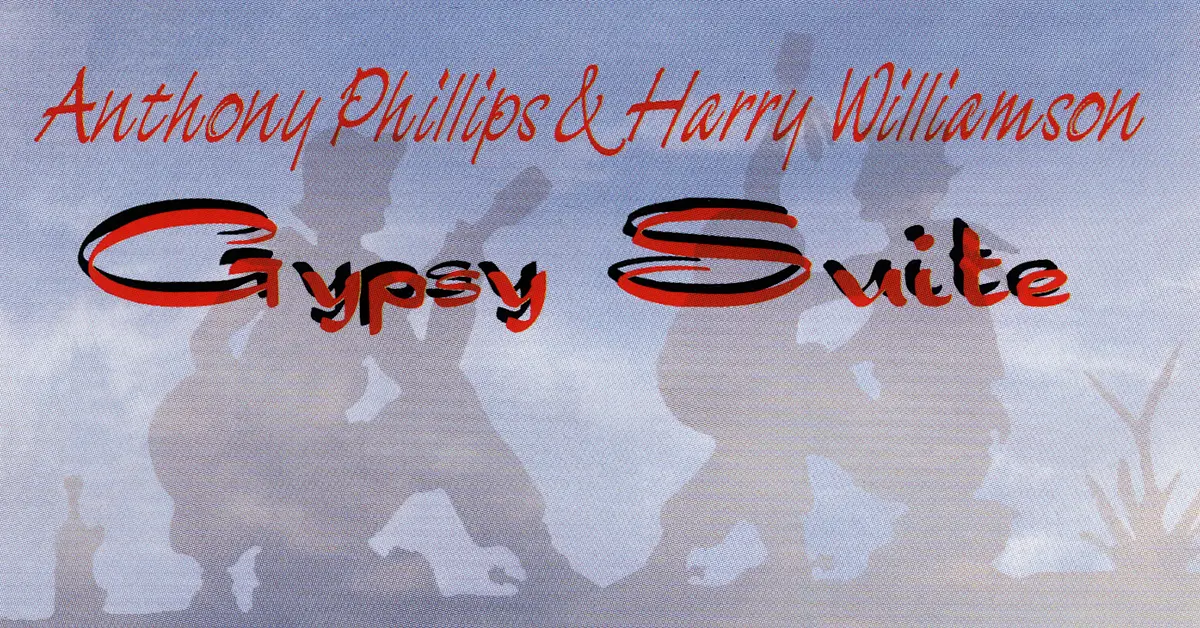
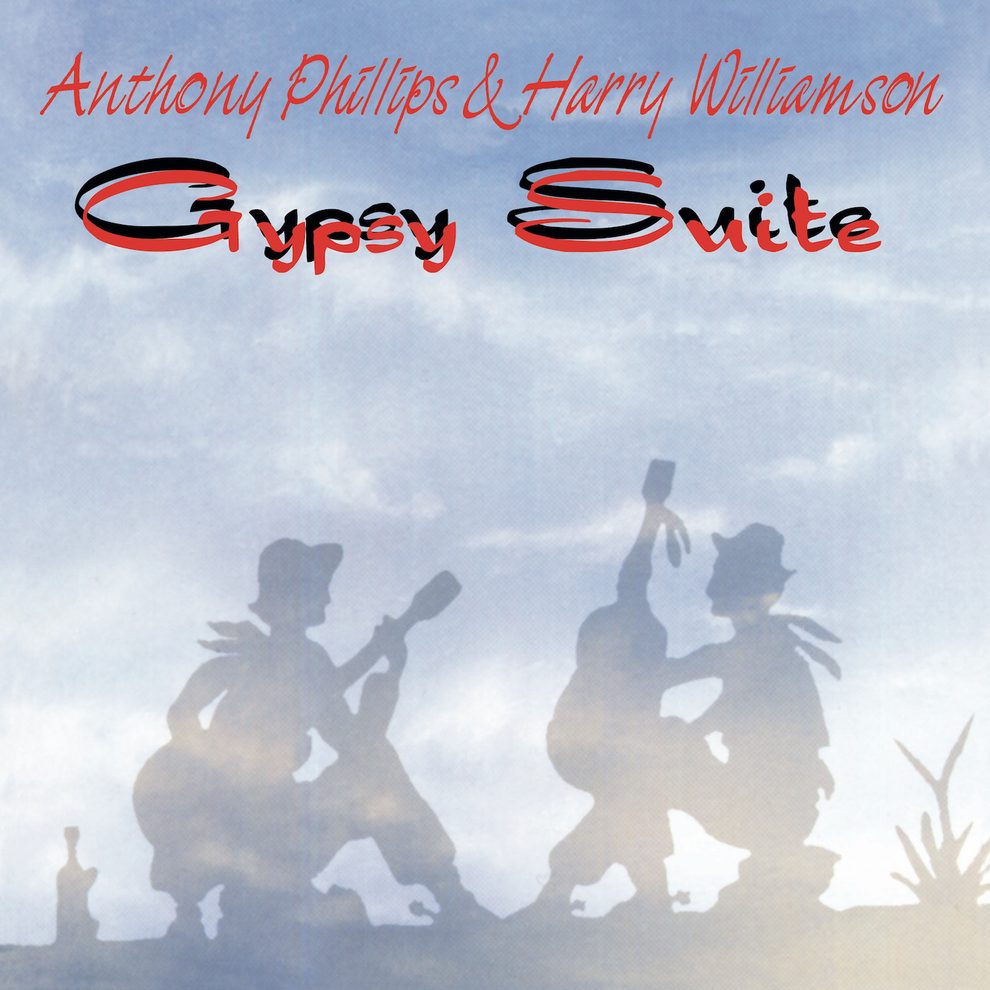
The Gypsy Suite by Anthony Phillips and Harry Williamson was composed back in the mid-1970s and was released on CD in 1995.
Demos in a digital guise
It is certainly unusual for two musicians to release recordings from 1975–78 in 1994 – yet this CD is by no means superfluous, as it features Gypsy Suite, a wonderful four-part piece for acoustic guitar, and Tarka, which offers interesting demo versions of the orchestral version released in 1988 and which is virtually impossible to find.
In the 29-minute Gypsy Suite, Phillips and Williamson give us a glimpse into their 1970s guitar sessions, during which they played their instruments in various open-string tunings, thereby coaxing unusual chords and timbres from them. Phillips recounts: "The sessions took place in a friend's loft in Maida Vale. There, we immersed ourselves in the wonderful sounds of six- and twelve-string guitars. Time and again, we lost ourselves in the music, forgetting the world around us. In our original concept, a wildly and passionately played violin was a key component of the Gypsy Suite; we also sketched out parts for cello, flute and oboe."
Phillips' bandmate Harry Williamson describes the creation of the Gypsy Suite as follows: "When we would stroll through the woods late at night and then return to our studio to play our hearts out, we would pick up on the fragments we'd heard in the darkness with our inner ear. There were no rules, except that it had to sound good."
And that is precisely what the Gypsy Suite does; it serves as a sort of soundtrack or soundscape for the mental films of Phillips and Williamson: Movement I – First Light is calm but not drawn-out, flowing without drifting aimlessly, meditative without any 'esoteric ramblings'. The individual passages are skilfully interwoven – which applies to the entire Gypsy Suite! The 5/4-time theme, which appears twice, is highly recognisable. First Light is the musical depiction of a dawn atmosphere. The same applies to Movement II – Siesta as to First Light: calm and flowing.
The mood described by Harry Williamson is spot on: "Calm and warm – the wonderful atmosphere of a midday break in the shade." Movement III – Evening Circle begins quietly with lingering chords, then becomes more rhythmic. With its consistent minor-key character, this piece creates a menacing and oppressive atmosphere. Williamson: "Storytellers round the campfire stir up excitement and fear." Suggested association: The central passage is reminiscent of Lover's Leap – but in 6/4 time! Movement IV – The Crystal Ball is more pulsating and even more varied than the previous movements: a vigorous opening is followed by a calmer middle section, which leads into a finale that builds in volume once more. In a brief passage in the final minute, a snippet of Looking For Someone is quoted very briefly and probably unconsciously. Listen carefully!
The second part of this CD features demo recordings of Tarka, which formed the basis for the orchestral version – expanded in terms of composition and arrangement. These original recordings from 1978 are neither better nor worse than the orchestral version, but simply different. Anyone who enjoyed the 'Fuller ensemble version' will also enjoy listening to the more sparse arrangements (guitars, keyboards, percussion) of the older version and will be keen to analyse and compare what distinguishes the two versions and what they have in common: in terms of composition, the demo version Movement I – The Early Years is almost identical to the 1988 Movement I:
Long-sustained guitar chords lead, via a few scattered notes, into a pulsating 10/8-time section. This is followed by a lively 6/8-time section, played on the piano and synthesiser. Minimalist music in the style of Steve Reich or Philip Glass musically depicts the play of young otters. The frantic play gives way to a romantic section, in which the catchy theme from the orchestral version is still absent. In another playful passage, the little otters are allowed to let off steam to their heart's content. The Early Years concludes with a short, relaxed 10/8-time guitar section.
Movement II from the demo version reappears in sections in 1988 as Movement II and Movement III: Streams River And Salmon Hunting: Floating chords, played on piano and synth, lead into a brief 'Cinema Show-style' 6/8-time guitar part. The guitar playing speeds up and transitions into the main theme, which is repeated several times. Interestingly, Phillips used a keyboard effect that Tony Banks had employed in 1970 on *Stagnation*! The ensuing fast guitar section ends with sombre chords and some intense guitar riffs.
Dunes & Estuary begins, like Streams River And Salmon Hunting, with floating piano chords. This is followed by a frenetic guitar section featuring some harmonics, which flows into a piano-dominated section before concluding with the main theme, presented in various variations. They could easily have left out the short snippet Moonfield – Postscript: Phillips treats us to some poorly recorded piano reverse effects – the only weak point of the Tarka demos. The writer of this review may well be stoned for the fact that it turns out to be very positive once again. But how else is one to judge an album that one has barely been able to get out of the CD player for the past two weeks – not because the player is broken or because a review needs to be written – NO! – Gypsy Suite is timelessly beautiful and highly recommended, a musical gem far removed from any commercial considerations!
Author: Bernd Vormwald
First published in it-magazine #14, March 1995
Tracklist
Gypsy Suite
Movement I: First Light (7:58)
Movement II: Siesta (5:08)
Movement III: Evening Circle (5:42)
Movement IV: The Crystal Ball (9:59)
Tarka
Movement I: The Early Years (8:41)
Movement IIa: Streams River And Salmon Hunting (6:38)
Movement IIb: Dunes & Esturay (6:34)
Movemenr IIc: Moonfield – Postscript (1:10
Update 2024
A new version of the CD was released in February 2024. All tracks have been remastered, and it also includes a previously unreleased demo entitled The Hunt. You can find details of the new version in this news item.